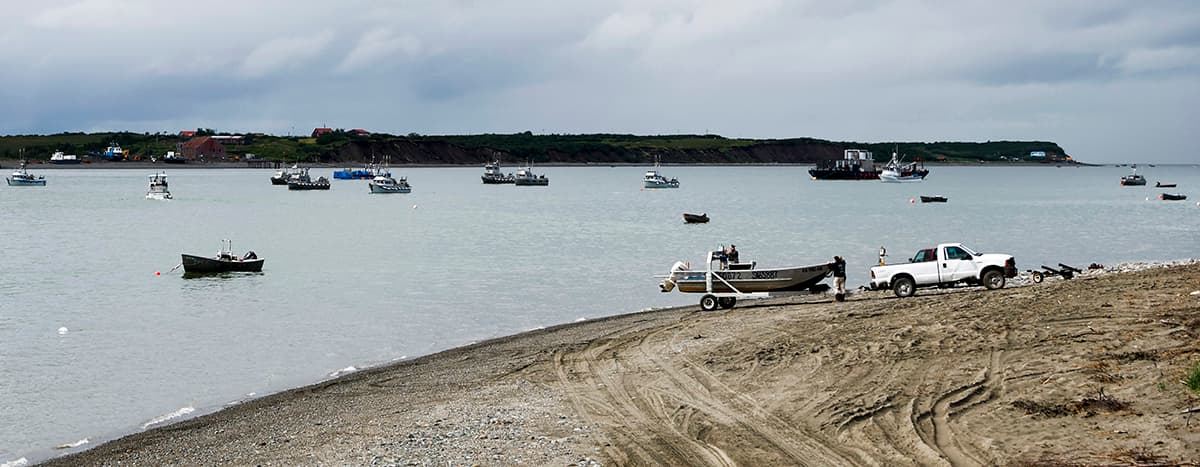
Bristol Bay calls Casey Coupchiak home every summer.
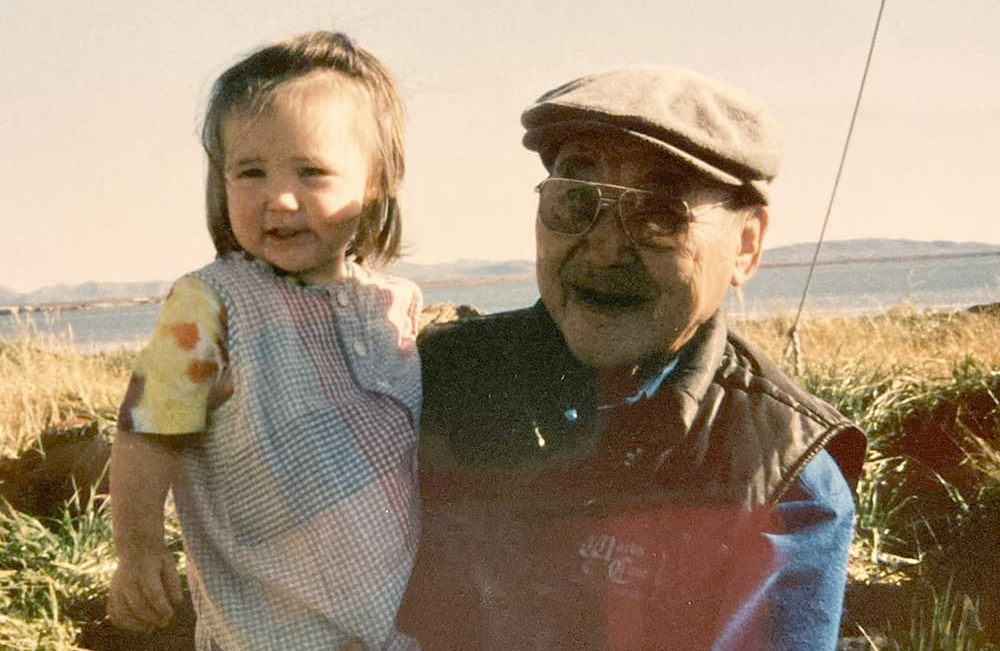 Casey Coupchiak with her grandfather, Willie Coupchiak.She remembers childhoods watching her grandmother smoke her own subsistence-caught salmon, and at age 18, she took over her grandpa Willie Coupchiak’s limited-entry fishing permit. Now, Coupchiak is charting a path to return full-time to the community of Togiak and the bay that has sustained her ancestors for millennia.
For Benjamin Smith, Anchorage is now home, but in late June and July when the sun and the salmon runs are at their peak, you’ll find him back on the Kvichak River, not far from Dillingham, where he grew up.
“I love waking up early, walking down to the creek and kayaking out to my skiff,” he said. “I love the wildlife. I love the land. I love the whole experience — the bears, the four-wheelers, the foxes, the fish hitting the net. All of it.”
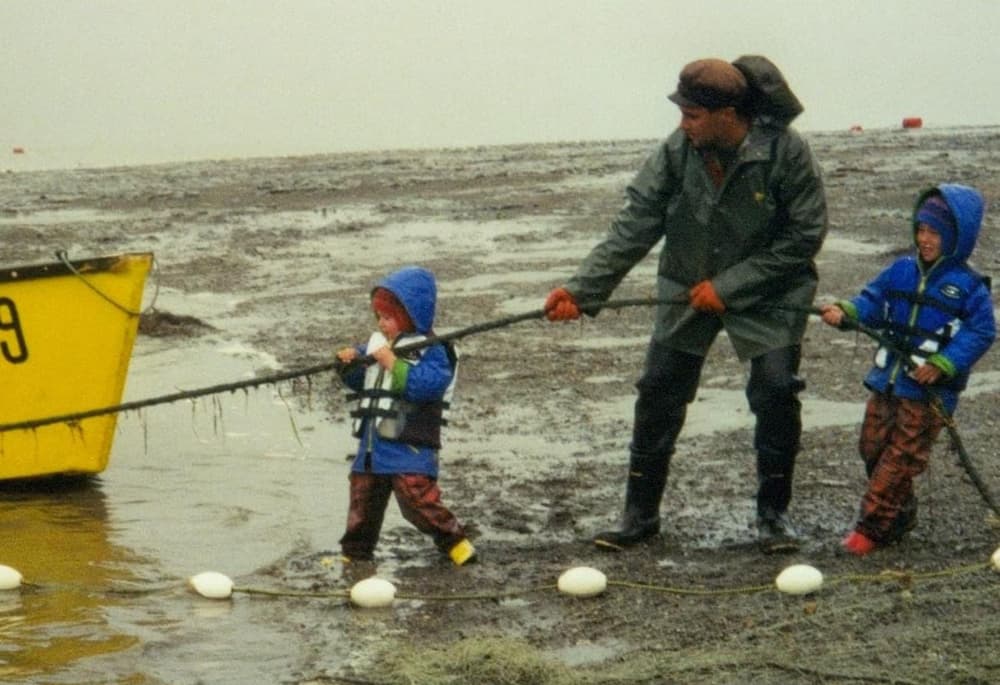 Benjamin Smith, right, pulls on a running line with his younger brother, Alec Smith, and his dad, L. Tiel Smith.Bristol Bay supplies more than half of the world’s wild sockeye salmon, and the robust fishery is closely managed by the state, scientists and industry to ensure the fish population remains sustainable for the long haul. But for thousands of Alaska Native fishers like Coupchiak and Smith, fishing the bay is as vital to sustaining their culture as it is to supporting their livelihoods. “I’m grateful to be a part of a family that keeps this tradition alive and to carry the torch,” Smith said.
For more than 90 years, Alaska Air Cargo has supported the fishers of Bristol Bay and other communities across the state of Alaska by flying out the freshest salmon destined for restaurants and grocery stores — and ultimately, diners’ plates — across the lower 48 and around the world.
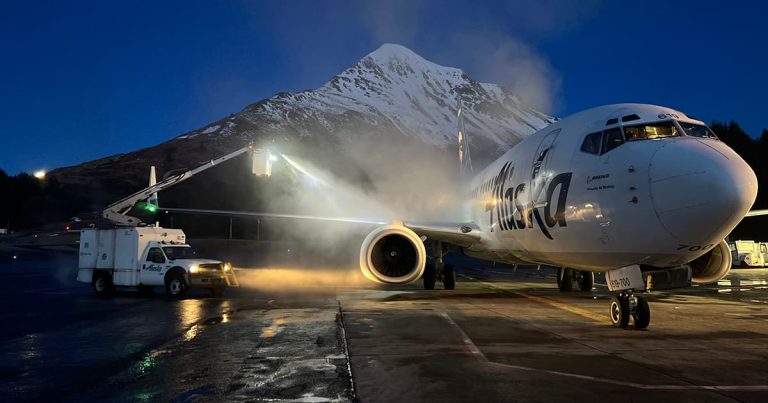
Last year, more than 40 million salmon were caught in Bristol Bay, and we carried tens of thousands of pounds of fresh salmon out of the Bristol Bay community of King Salmon (AKN) on Alaska Air Cargo freighters.
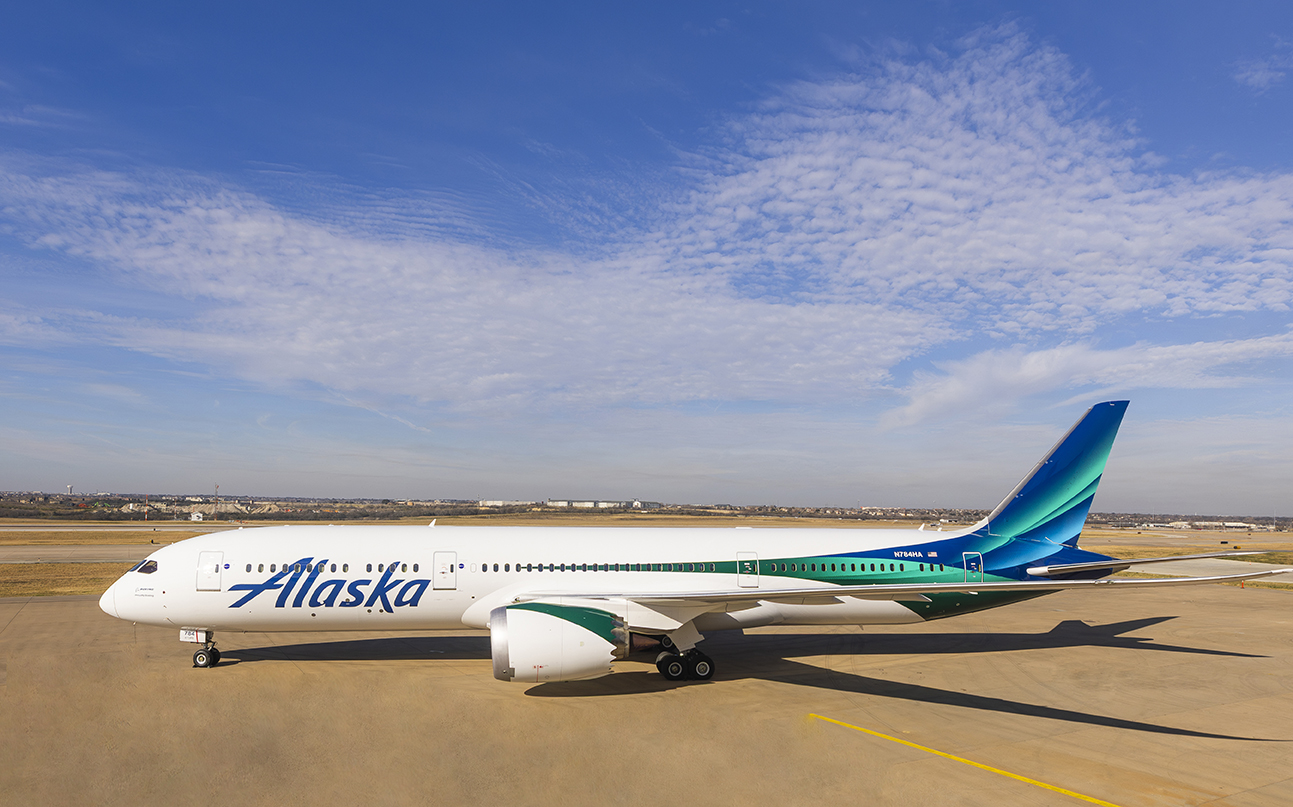
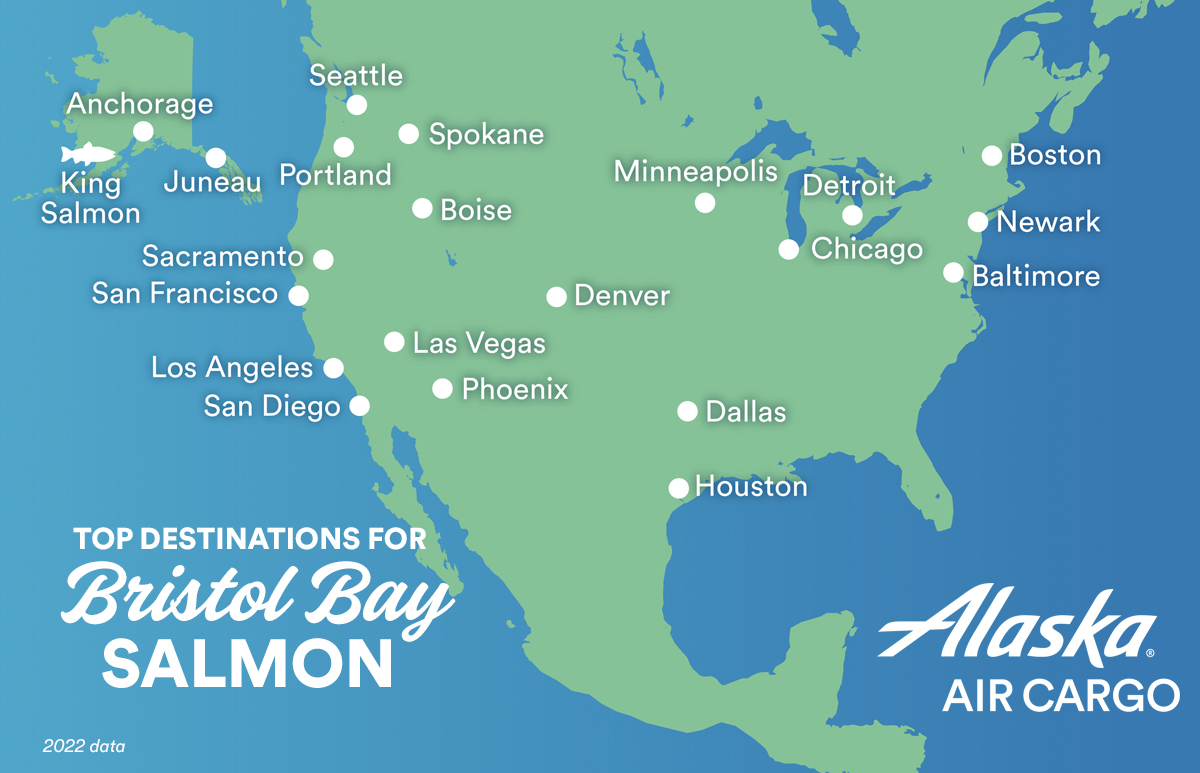 2022 dataThis season we’ve invested in new larger 737-800 freighters to meet a growing demand for the sustainably caught fresh Alaska sockeye. And for the first time, these long-range freighters are flying nonstop from King Salmon to Seattle.
“When someone sits down to enjoy that beautiful piece of salmon, it’s important to know that there’s a Casey or a Ben behind it. This is families feeding families, from Bristol Bay to all over the world.”
— Lilani Dunn, executive director of the Bristol Bay Regional Seafood Development Association
“Like the salmon, I decided to come home.”
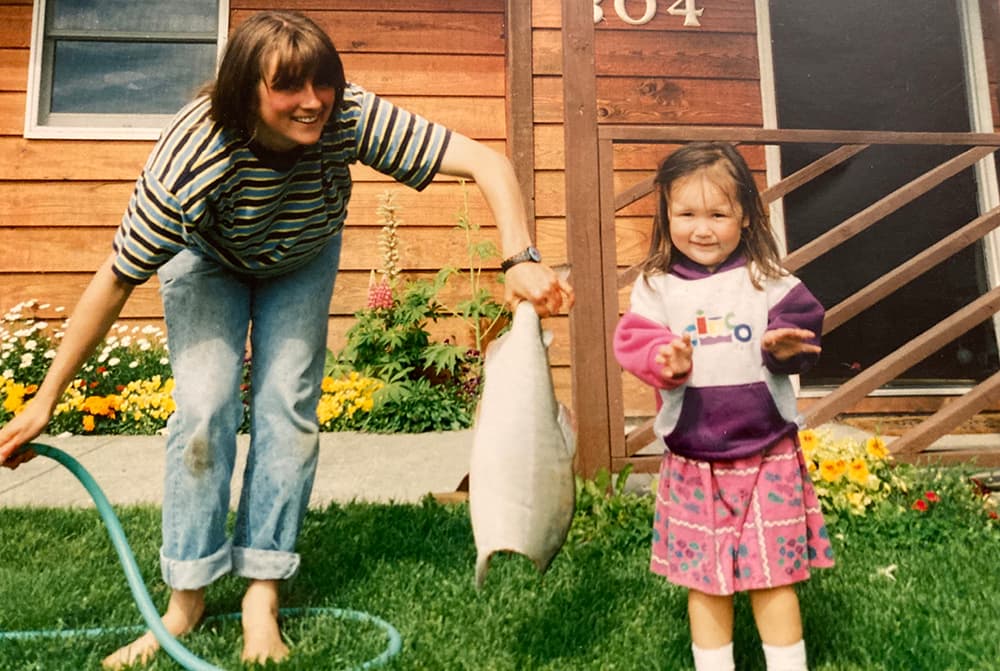
“Villagers often just did not end up doing the permit paperwork,” leaving many local families without access to commercial fishing rights, she said. “I’m so glad that my grandfather did the work.”
At first, Coupchiak saw her summer fishing income as an opportunity to sustain a life elsewhere in the offseason, and she spent winters in places like Tahoe and Oregon. But recently, she’s been drawn to find a way to live on Bristol Bay year-round.
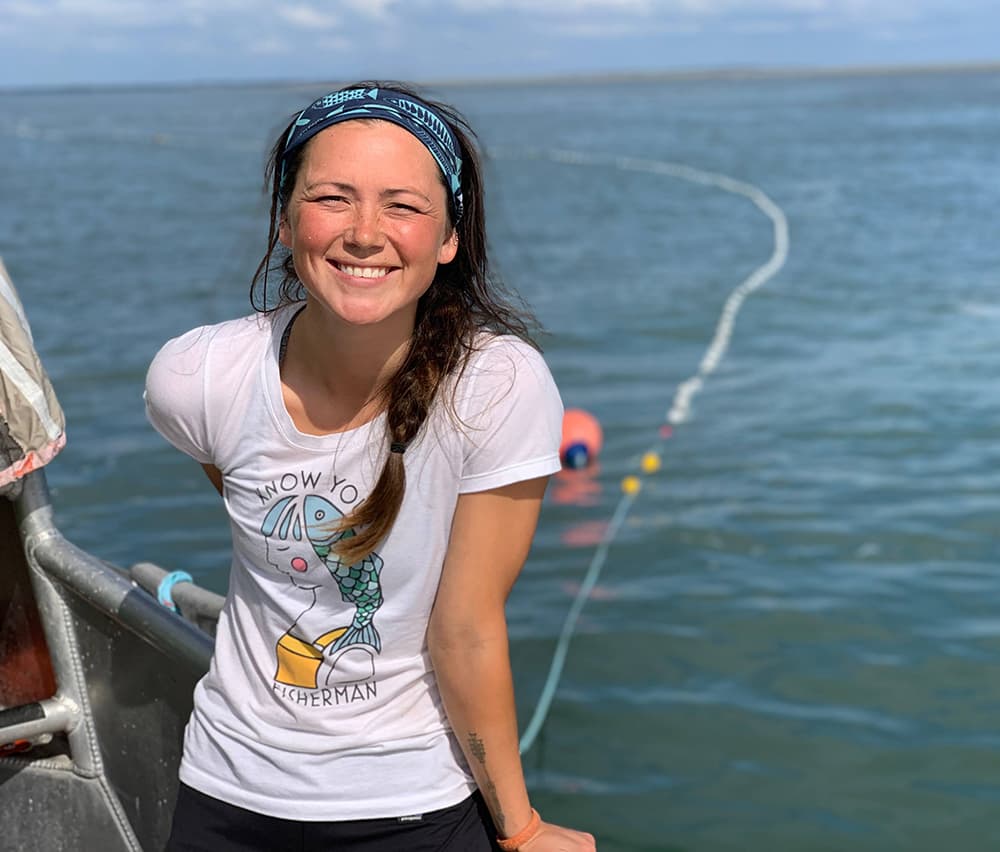 Coupchiak fishes for Trident and also sells direct to consumers through her company, Yup’ik Girl Seafood.She maximizes her fishing income by selling both to Trident Seafoods and direct to consumers through her company, Yup’ik Girl Seafood. And she’s pursuing a marketing degree to help give her the means to return to Togiak full time. She also plans to add subsistence fishing and foraging to sustain year-round living on the bay. “Like the salmon. I decided to come home,” Coupchiak said.
She also hopes to use her degree to help more local residents get commercial permits and have a bigger voice in the co-management of the fishery.
“I believe that’s one of the ways we can sustain our fish and our resources,” she said. “I want this resource to be there for my children’s children’s children.”
“This is a cultural tradition for my family.”
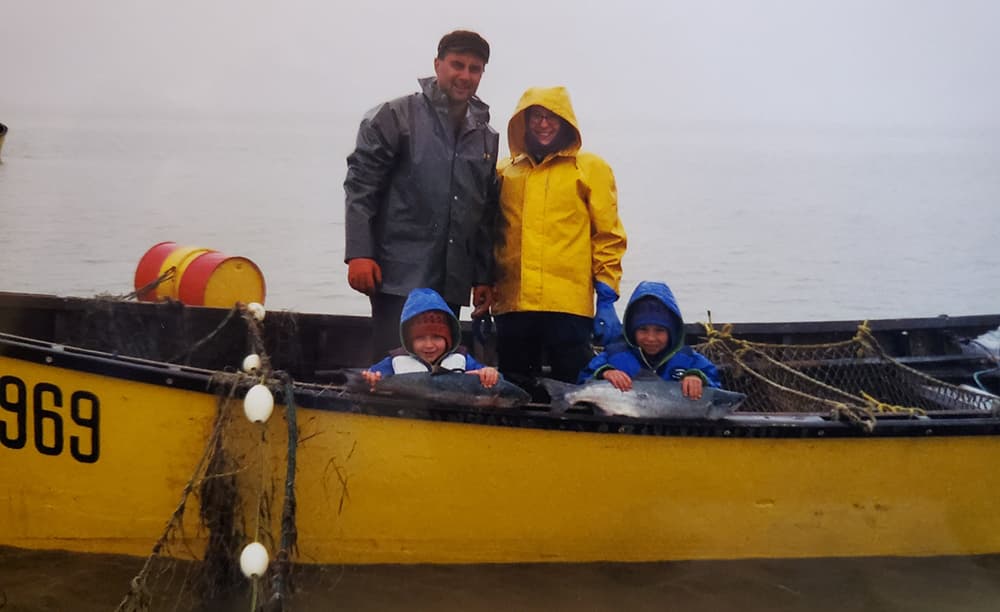 Smith with his parents and brother in a skiff he still fishes in today.Smith’s earliest fishing memories are hazy, but he has always had a clear understanding that he was part of a fishing family. By age 10, he was helping his dad fish. “It was hard at first, but I loved it and have come back ever since,” he said. “Next year is my 20th year.”
Now he leads his family’s four skiffs, including a wood one that was his father’s. Preparations for the season begin months in advance when Smith starts buying food to airfreight in and hangs nets in his garage in Anchorage.
He appreciates the work ethic he’s learned through fishing — values that gave him a solid foundation for his job for the nonprofit Rural Alaska Community Action Program (RurAL Cap). At RurAL Cap, he weatherizes homes in remote communities around the state, and his team often uses Alaska Air Cargo to ship doors, tubs and windows to hubs like Bethel (BET) and Nome (OME). “Through fishing, I’m really grateful that I’ve learned how to manage a business and best practices and how to teach my entire crew about safety,” he said.
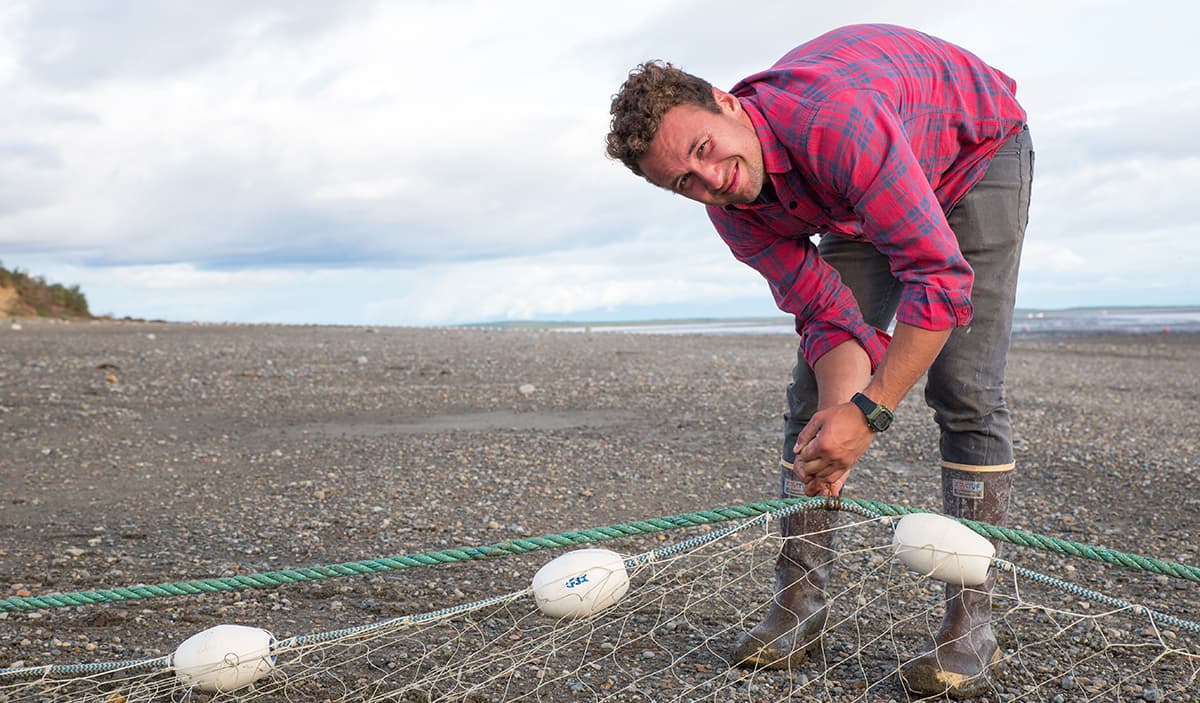 Benjamin Smith prepares for the start of the sockeye fishing season.And for the three weeks he takes a “vacation” to fish around the clock in Bristol Bay, he focuses his work on protecting the freshness of his crew’s fish. “Every time we pull up the first fish out of the net, within two hours of that first fish picked, we deliver our fish [to the processors],” he said. “So, they’re always at the best quality and temperature.”
In addition to commercial fishing, he and his family always take some time for subsistence fishing so they can savor sockeye straight from the bay — what he considers the best fish in the world. “I’m a bit of a fish snob,” he admitted.
“This is a cultural tradition for my family, and I’ve learned so many lessons growing up out there,” Smith said. “I’m excited to share those with my children and nieces and nephews going forward.”
Sustainable salmon of Alaska
The state of Alaska’s wild salmon fisheries like Bristol Bay and Copper River are tightly managed by state regulators to ensure the sustainability of the salmon population for the long haul. Where to find Bristol Bay sockeye
Your fish can fly
Learn more about shipping seafood with us
About Alaska Air Cargo and Hawaiian Air Cargo
Together, Alaska Air Cargo and Hawaiian Air Cargo reach 110-plus cargo destinations around the world, including cities across Asia and the South Pacific – and coming in spring 2026, Rome and London! With more than 90 years of experience carrying vital shipments to remote communities, our air cargo teams share deep connections to the communities where we live, work and fly.
For updates on new routes and operational changes, subscribe to our email newsletter